Practical writing for furniture brands.
On 3D files, viewers, embedding, and how teams ship product online. No fluff, no SEO bait — short pieces you can act on.
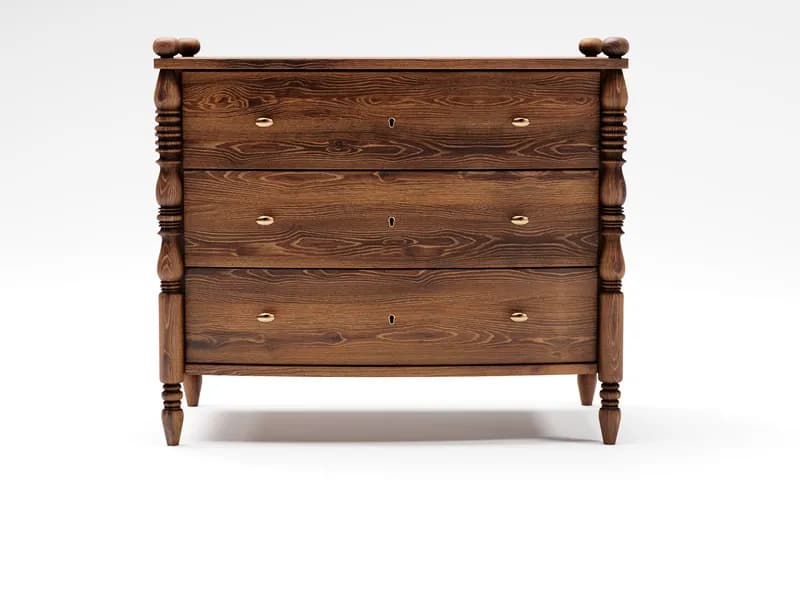
Your 3D renders are worth more than you think — and how to keep them safe
A render file isn't a JPEG. It contains exact geometry, material specs, and months of design work. Here's what leaks when it leaks, and how to stop it.
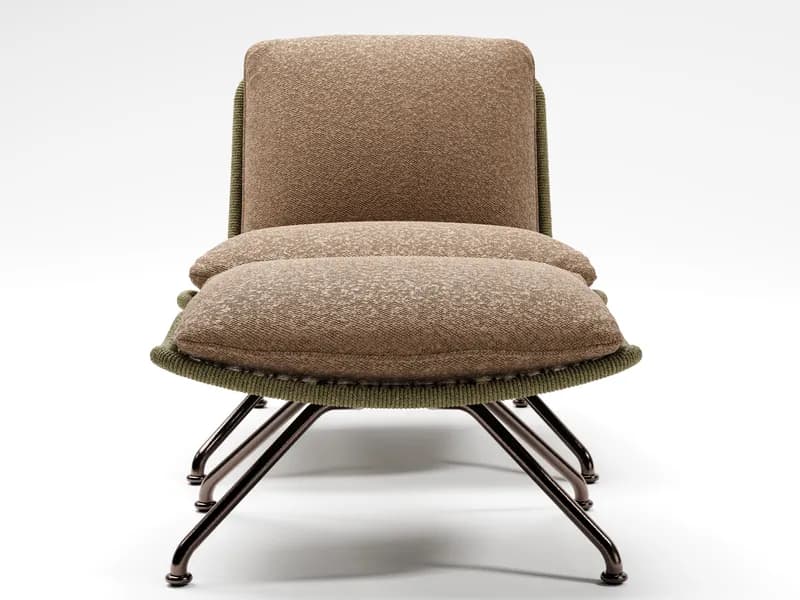
Why furniture brands send 3GB Drive folders — and what to do instead
Drive and Dropbox aren't built for product files. Here's what breaks, and the four things buyers actually want.
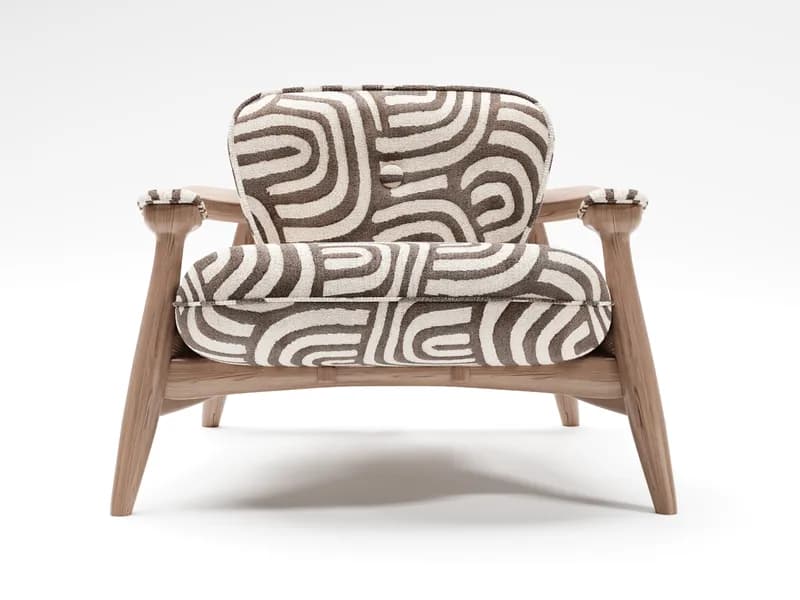
STEP vs GLB: which 3D format for which use case
STEP is for factories. GLB is for the web. Here's when each one matters and how to keep both up to date.
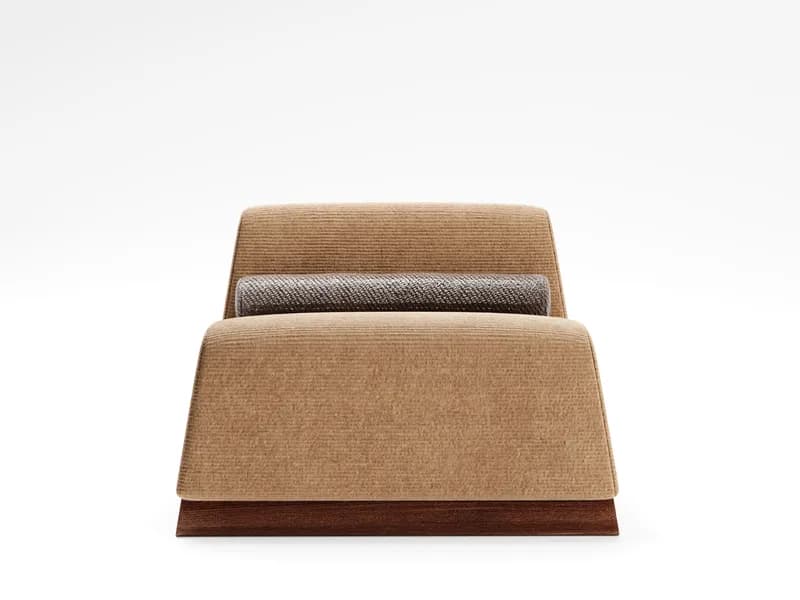
Embedding a 3D viewer in Shopify — 4 patterns that work
From a single iframe to AR-button overlays, here are the four embed patterns that actually convert on Shopify product pages.
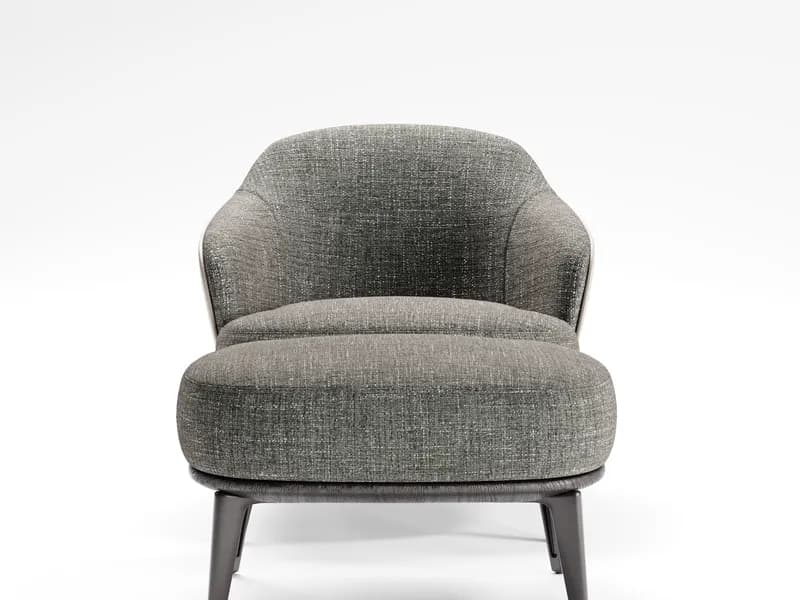
AR in furniture retail: what actually converts (and what doesn't)
Cylindo's 2024 data shows 200% higher conversion for products with AR. But bad AR implementations convert nothing. Here's the difference.

How to brief a 3D artist for furniture: the 5 things you need before kickoff
Most furniture 3D projects go over budget because of the brief, not the execution. Here's what a production-ready brief actually contains.
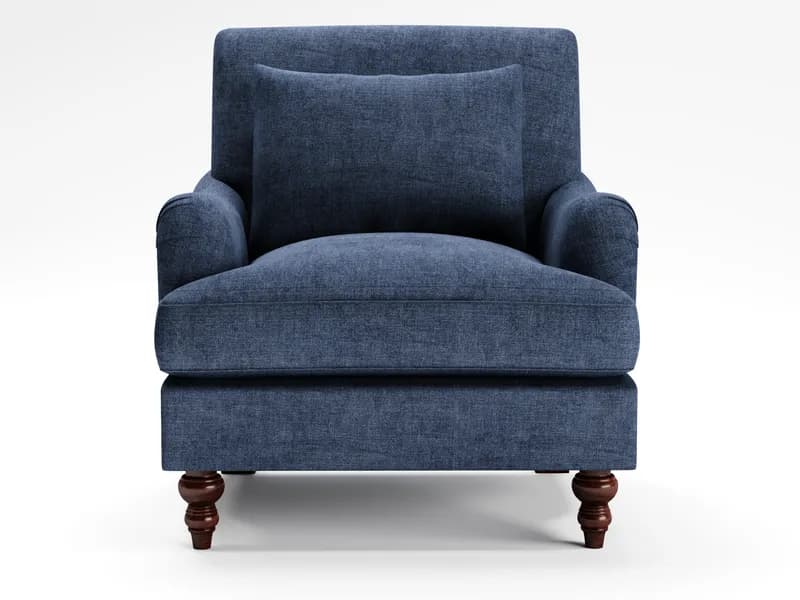
Polygon count for furniture: how much geometry is enough?
Too many polygons and your web viewer freezes. Too few and the piece looks like cardboard. Here are the targets by use case.

Why your PDF catalog is costing you export deals
Buyers open PDF catalogs on their phone. Most PDFs weren't made for that. Here's what the data says about catalog format and deal close rates.

PBR materials explained for furniture: what each texture map actually does
Physically Based Rendering is what makes a velvet sofa look like velvet, not painted plastic. Here's what each map controls and how to get them right for furniture.

IFEX 2026: what buyers research before the show floor opens
The deal often starts 2–3 weeks before IFEX. Here's what import buyers look for in the pre-show research phase, and how to show up before they arrive.

How to compress a GLB without losing visual quality
A 50 MB GLB is 5× too large for a web viewer. Here are the four compression steps that get you under 5 MB without visible quality loss.

Silo vs scene: the two render types every furniture brand needs
Silo renders close catalog deals. Scene renders close lifestyle deals. You need both — and they serve different buyers at different stages.

The furniture brand digital asset checklist: what to have before you go to market
Missing one file type in a buyer handoff costs you the deal. Here's the minimum viable asset set per SKU, and how to stay organized as the catalog grows.

Workspace organization for furniture brands: a practical guide
How you structure your files before a buyer sees them determines how fast deals move. Here's the folder logic that works for catalogs, trade shows, and ongoing client relationships.

Indoor, outdoor, and performance fabrics for furniture: the complete specification guide
Velvet, bouclé, solution-dyed acrylic, Sunbrella — buyers ask about fabric by name. Here's what each one means, how to specify it, and how it affects your 3D renders.